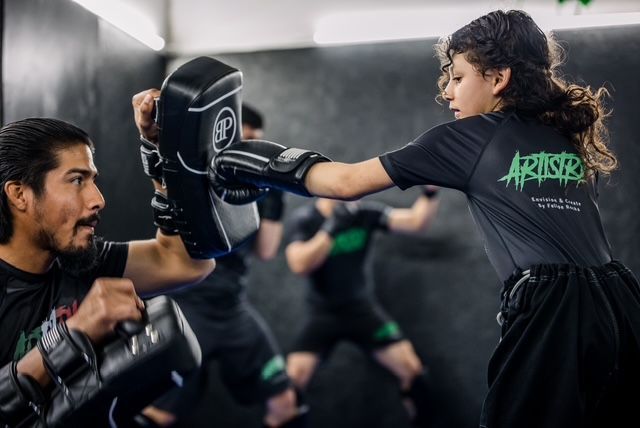
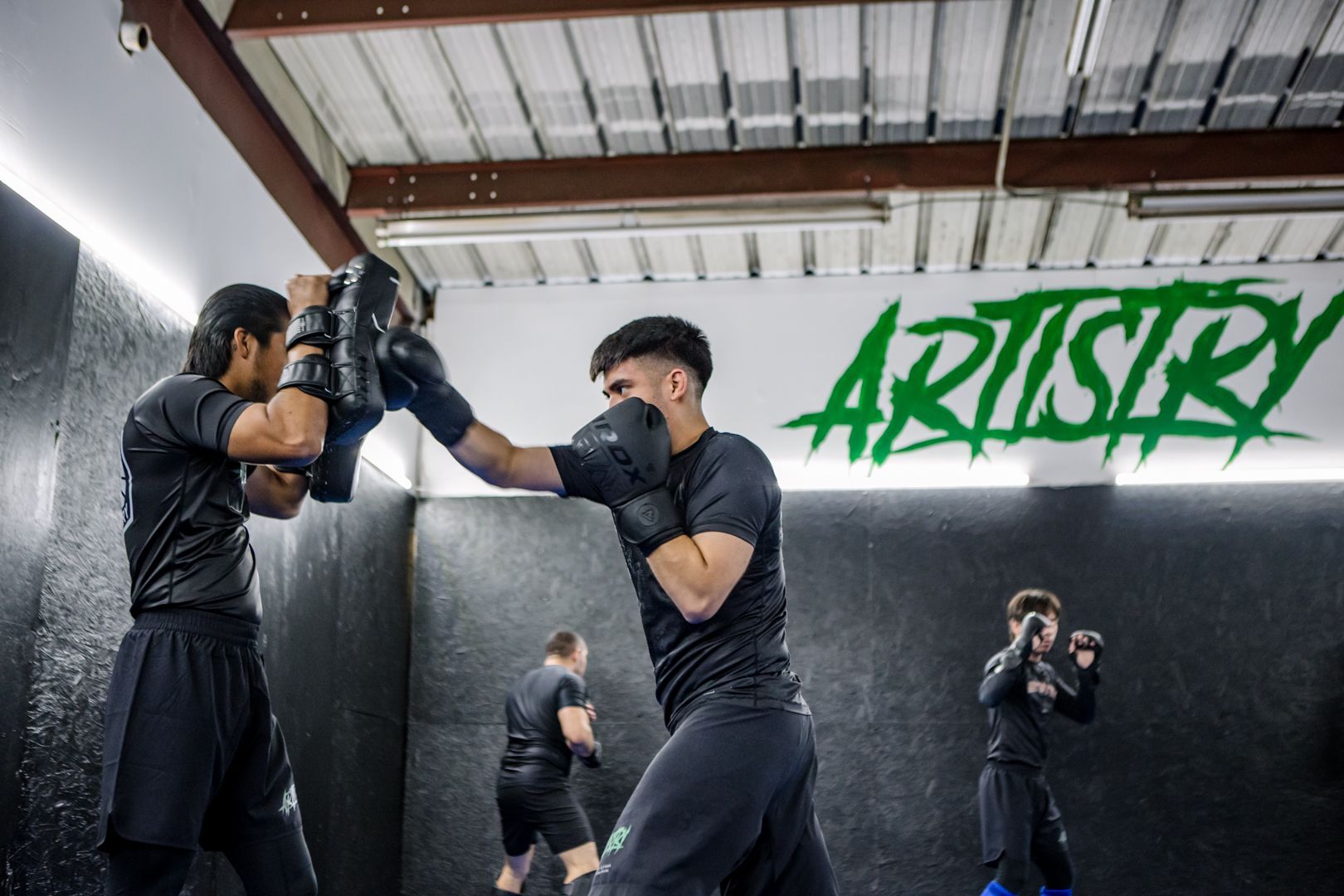
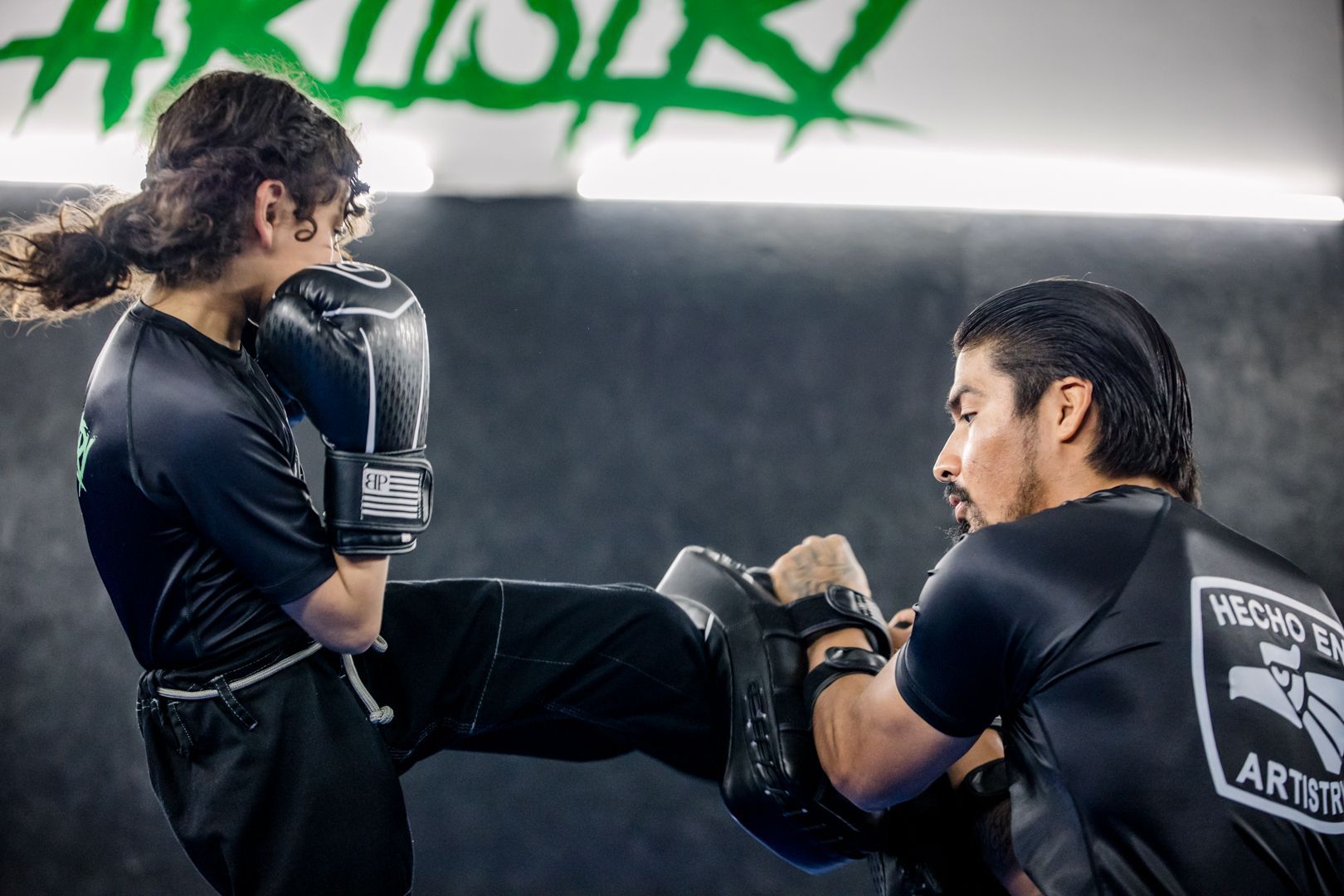
The right kids program doesn’t just teach moves - it builds calm confidence, focus, and resilience you can actually see at home.
If you’re looking into Youth Brazilian Jiu Jitsu for your child in Houston, you probably have two questions right away: Will this help my kid? And is it safe? We hear both all the time, and we take them seriously because you’re not just choosing an activity, you’re choosing an environment your child will spend real hours in every week.
Here’s the encouraging part: youth Brazilian Jiu Jitsu has measurable, real-life benefits. Kids who train consistently often see a boost in self-confidence of up to 30 percent, and about 65 percent report better focus. Those numbers line up with what we watch happen in class: kids walk in hesitant, then a few months later they make eye contact, speak up, and stay engaged longer in school and at home.
Houston is also a strong place to train. The local community is active, tournaments come through regularly, and families here value programs that build character as much as athletic ability. Our job is to make sure your child grows safely, steadily, and with the kind of guidance that carries off the mat.
Why Youth Brazilian Jiu Jitsu works for real life, not just sport
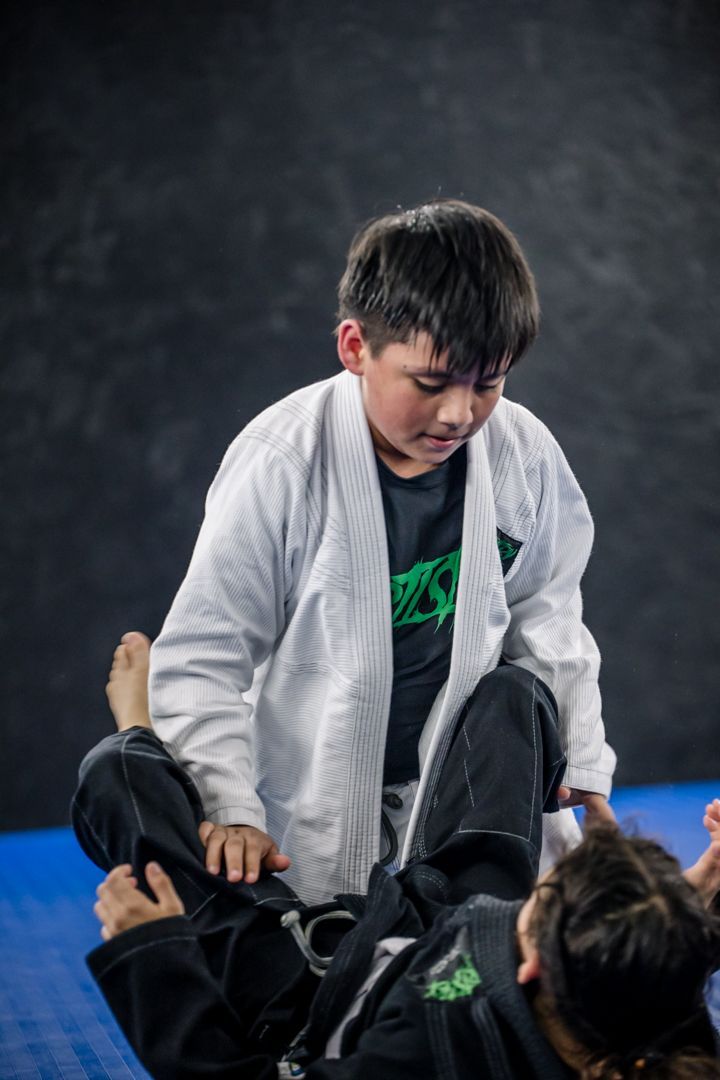
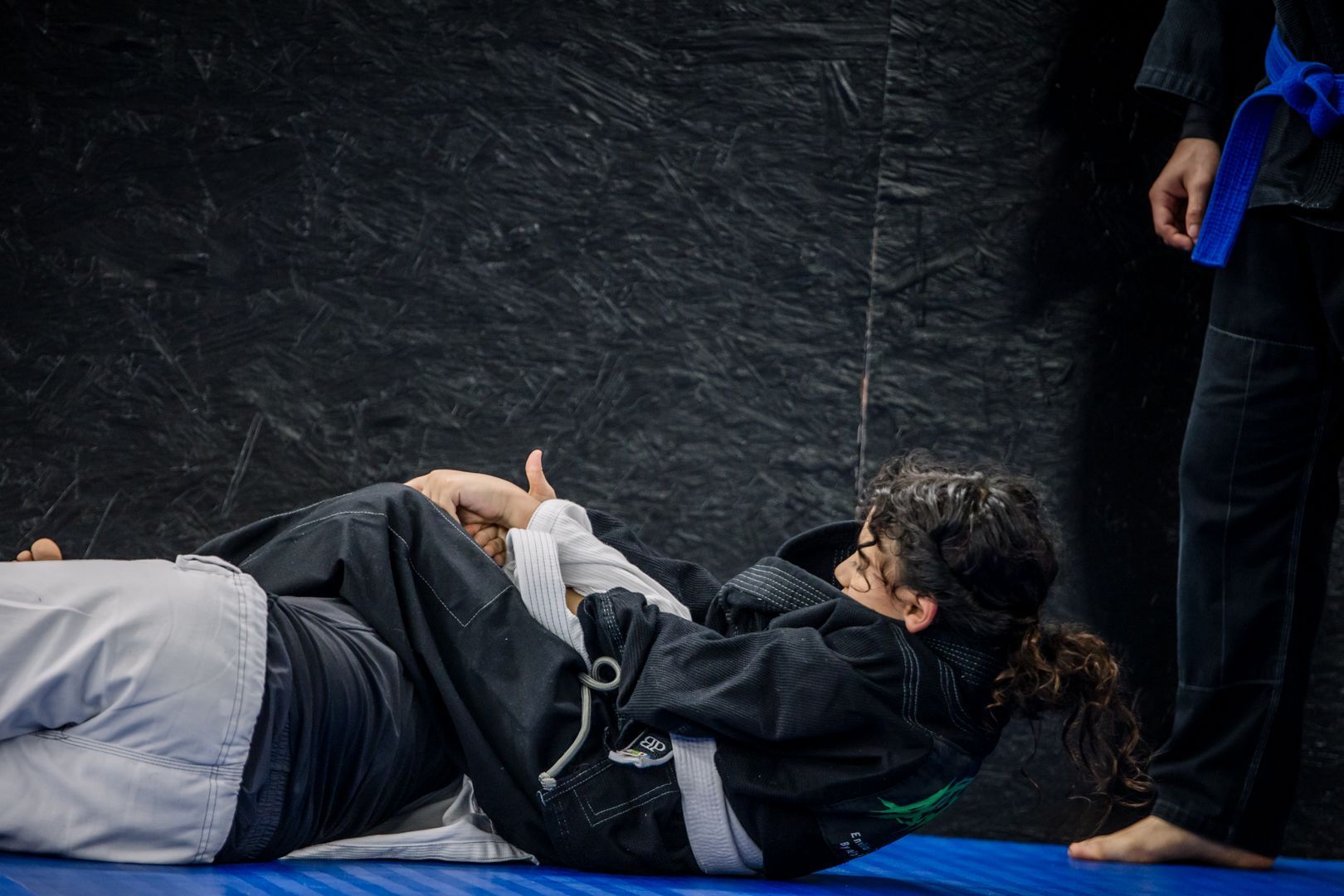
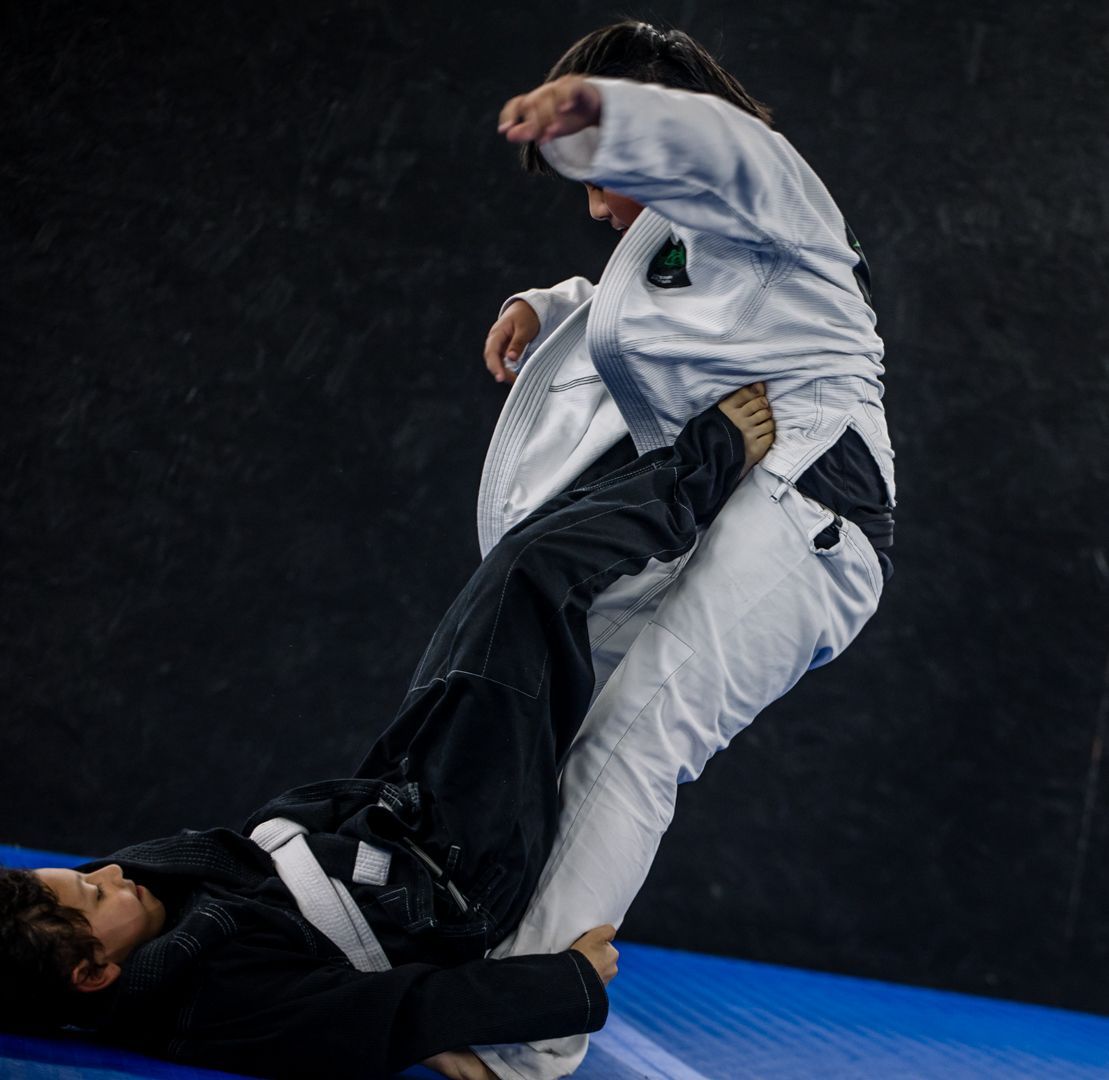
Youth Brazilian Jiu Jitsu is different from many youth activities because progress is built into the structure. Kids learn a technique, drill it, and then practice it in a controlled way with a partner. That cycle teaches more than grappling. It teaches patience, problem-solving, and what it feels like to improve through effort instead of luck.
On the mat, a child learns to stay calm when something feels hard. Off the mat, that same skill shows up during homework, social stress, and even the simple act of trying again after a mistake. We like to say the technique is the tool, but the habit is the transformation.
And because jiu jitsu is leverage-based, kids don’t need to be the biggest or the fastest to succeed. The game rewards smart decisions, timing, and body awareness. For many Houston families, that is a relief because it gives every kid a fair shot at feeling capable.
The Confidence Code: how confidence actually gets built in class
Confidence sounds like a personality trait, but in training it’s more like a sequence. A child doesn’t “become confident” because someone tells them they are. Confidence is built when a kid experiences a challenge, gets coaching, and then proves to themselves they can handle it.
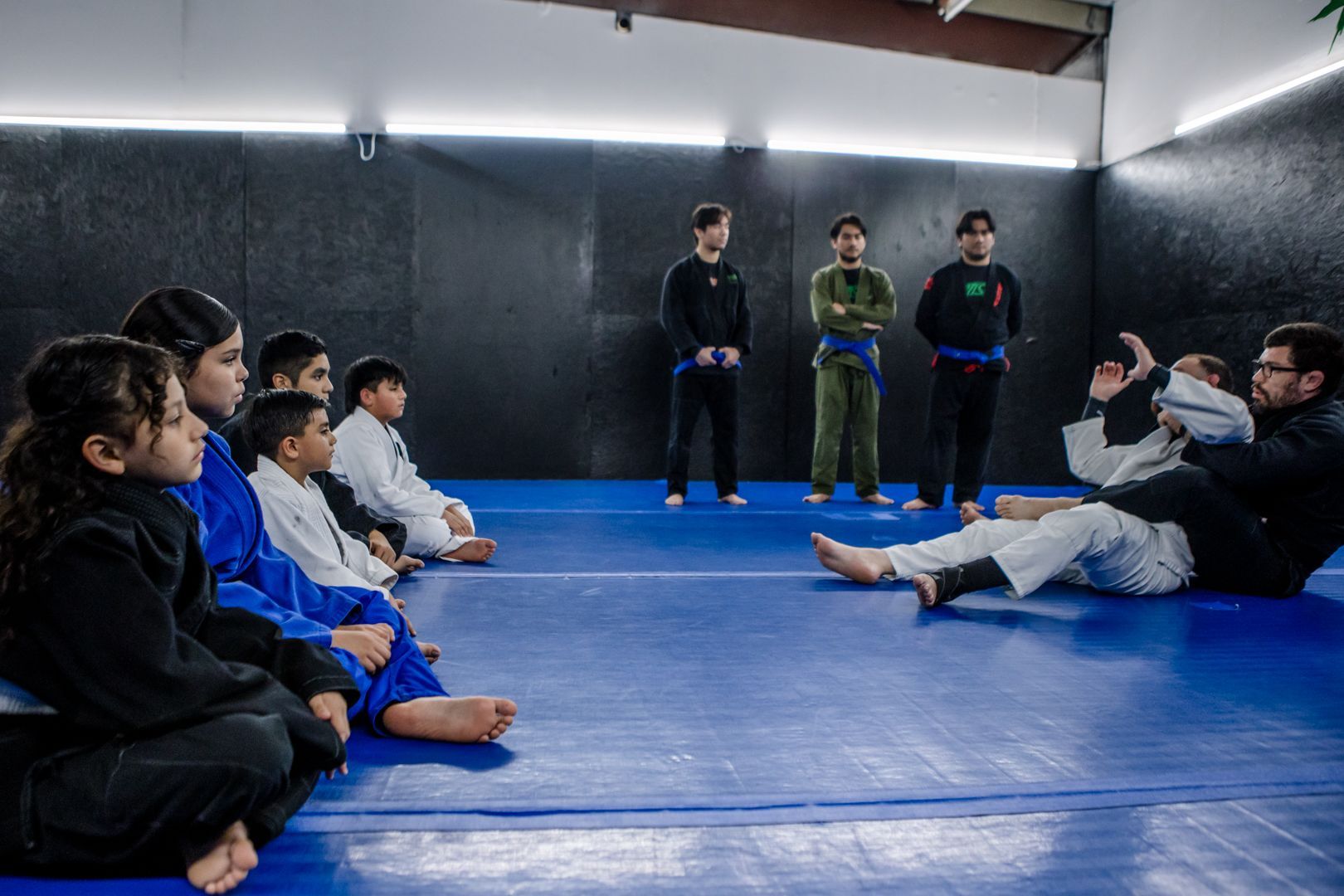
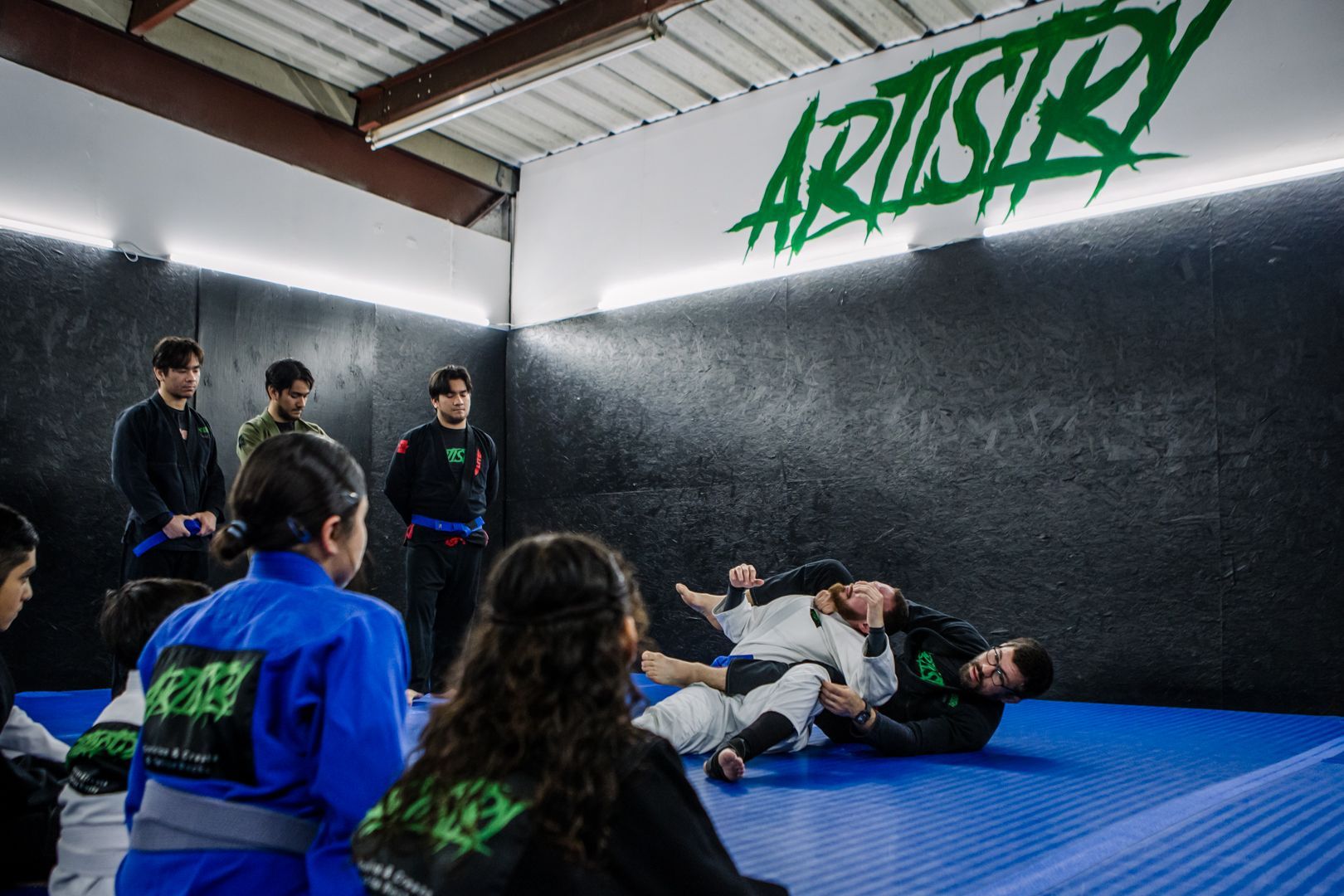
In our Youth Brazilian Jiu Jitsu classes, we see that progression over and over:
• First, your child learns a small skill that works, like a basic escape or a stable base.
• Next, we repeat it enough that the body remembers it, not just the brain.
• Then we add light resistance in a controlled setting, so success feels earned.
• Finally, your child realizes, “I can do hard things,” and that lesson sticks.
That is why the statistic about a 30 percent increase in self-confidence makes sense in practical terms. The confidence doesn’t come from hype. It comes from evidence your child collects about themselves, one class at a time.
Focus and school carryover: why 65 percent reporting improvement isn’t surprising
A lot of parents come in hoping the training helps with attention. Youth Brazilian Jiu Jitsu is a focus builder because the feedback is immediate. If a child looks away or stops listening, the drill falls apart. If a child stays present, the technique works better, and that little win matters.
We also structure class so kids get frequent “reset moments.” They listen, move, partner up, drill, pause, and repeat. That rhythm trains attention in short bursts that gradually become longer. Over time, many kids become more comfortable concentrating even when they feel a little tired or frustrated.
When about 65 percent of kids report improved focus, we see the everyday version of that in Houston households: fewer reminders to stay on task, smoother homework sessions, and kids who can take instructions without getting overwhelmed.
Safety first: what the injury data really means for parents
Let’s talk about the part nobody wants to guess about: injuries. Research tracking pediatric Brazilian jiu jitsu injuries shows the number of reported injuries has increased over the years, which makes sense as participation grows. The key detail is the type of injury: about 70 percent are minor, often sprains and strains, and many are treated without hospital admission.
Another important comparison is the injury rate per athlete exposure. Brazilian jiu jitsu has a lower injury rate than several other combat sports like judo, MMA, taekwondo, and wrestling. That doesn’t mean “nothing ever happens,” but it does mean the training style can be managed safely with the right controls.
Our Houston safety standard is simple: we keep training technical, controlled, and age-appropriate. We coach kids to protect training partners, not overpower them, and we treat tapping as a skill, not a failure. If a child is too amped up, we slow it down. If a child is nervous, we meet them where they are.
Our safety protocols that matter most for kids
We don’t rely on vague promises. We use specific habits that keep Youth Brazilian Jiu Jitsu training safer and more sustainable:
• Controlled sparring that matches size, maturity, and experience level, not just age.
• Technique-first coaching so kids learn mechanics before intensity.
• Clear rules about tapping, stopping immediately, and respecting boundaries.
• Warmups focused on mobility and movement skills to reduce strains.
• Active supervision so coaches can correct unsafe positions early.
Safety is not a separate topic from learning. It is part of how kids learn well.
What ages can start, and how we group kids for success
Many programs in Houston accept kids as young as 4, and we do the same with age-appropriate classes that emphasize movement, listening skills, and basic coordination. At younger ages, the goal is not to “win rounds.” The goal is to build body awareness, confidence in close contact, and the ability to follow simple sequences.
As kids grow, the training becomes more detailed. They learn more positions, more problem-solving, and more responsibility in partner work. We group students so your child isn’t constantly forced into mismatches that feel discouraging. Kids learn best when the room feels challenging but doable.
If you’re wondering whether your child is “ready,” we usually look for a few simple signs: can your child take basic instruction, participate with a partner, and handle gentle correction without shutting down? If yes, youth training tends to be a great fit.
What your child learns beyond techniques
It’s easy to list techniques like guard passes, escapes, and takedown basics. Those are important, but most parents care about the off-mat outcomes, and we do too. Kids carry lessons home, sometimes in surprising ways. A child who used to quit quickly might start sticking with a hard math worksheet. A child who avoided conflict might learn to speak clearly and set boundaries.
Here are the character skills we intentionally reinforce in Kids Jiu-Jitsu in Houston TX classes:
• Respect: listening the first time, being safe with partners, and treating coaches seriously.
• Integrity: telling the truth about taps, points, and effort, even when nobody is “watching.”
• Discipline: showing up, staying consistent, and finishing what we start.
• Emotional control: breathing through discomfort and learning not to panic.
• Work ethic: understanding that progress is earned and that small improvements add up.
These are not abstract ideas. We coach them in the moment, when it counts.
The Houston advantage: community, competition, and motivation
Houston is a major hub for Brazilian jiu jitsu, and that’s a benefit for youth athletes. There’s energy here. There are events, local tournaments, and a culture that respects steady improvement. Many families like having a goal on the calendar, even if the first goal is just attending to watch and learn.
Local events like JJWL Houston III at the Berry Center in Cypress give kids a nearby stage if competing becomes interesting later. We treat competition as optional, not required. Some kids thrive with that extra challenge. Others train for confidence, fitness, and personal growth. Both paths are valid, and we support both.
When kids do choose to compete, we focus on preparation that makes sense: learning rules, practicing composure, and building routines that keep nerves manageable. The best outcome is not a medal. The best outcome is a child who can try something hard in public and stay steady.
Cost and scheduling: a clear Houston parent’s guide
One practical question comes up early: How much does youth training cost in Houston? Local pricing commonly lands in the range of 130 to 169 per month, with some programs offering a lower rate for younger age groups or homeschool-friendly schedules.
We believe pricing should be understandable before you rearrange your life around a new activity. Our membership options are built so families can choose consistency without confusion, and the class schedule is designed to work around school, sports seasons, and Houston traffic, which is its own kind of combat sport.
How to choose the right weekly rhythm for your child
If you want a simple way to think about training frequency, we recommend this progression:
1. Start with 2 classes per week to build comfort, routine, and basic movement skills.
2. Move to 3 classes per week once your child can focus through class and recover well.
3. Add optional extra training only when school, sleep, and mood stay stable.
Youth Brazilian Jiu Jitsu works best when it supports your life instead of taking it over. Consistency beats intensity almost every time.
What a first month usually looks like in Youth Brazilian Jiu Jitsu
The first few weeks matter because they shape whether your child feels like they belong. We keep early training approachable, but we don’t water it down. Kids can tell when something is real.
In week one, your child learns how to line up, partner safely, and move with purpose. In week two, we usually see the first little breakthrough, like a clean escape or a moment of calm in a crowded room. By week three or four, many kids start remembering techniques without prompting and begin taking pride in details like posture, grips, and balance.
You’ll probably notice changes outside the gym too. Kids often sleep better after training. Some become a bit more hungry at dinner. And many become more willing to talk about what they learned, especially when they can explain a “problem” they solved in sparring.
Ready to Begin
If you want a kids program that builds real confidence and focus, not just a busy schedule, we built our Youth Brazilian Jiu Jitsu program to do exactly that. You’ll see progress in movement and self-defense skills, but you’ll also see your child become steadier under pressure, more respectful with peers, and more proud of their own effort.
Artistry BJJ is here in Houston to guide that process with structure, safety, and a community that supports your child at every stage, whether your goal is character development, fitness, or eventually stepping onto a local tournament mat.
Ready to train?
Join a Brazilian Jiu-Jitsu class at Artistry BJJ today.